Physical security is essential in manufacturing environments, where facilities house valuable equipment, inventory and sensitive data while maintaining efficient operations. As facilities expand and threats evolve, existing systems can become insufficient without clear warning.
Here are some of the most common indicators that a manufacturing facility may need to upgrade its physical security systems and strategies.
1. Frequent Unauthorized Access Incidents
Recurring unauthorized access is one of the clearest signs that existing security measures are no longer effective. This may involve employees entering restricted areas, contractors accessing locations beyond their approved permissions or unknown individuals gaining entry to the facility.
Even when these incidents do not result in theft or damage, they indicate weaknesses in access control procedures. Unauthorized access can expose sensitive production processes, create safety risks and increase the likelihood of asset loss.
2. Outdated or Incomplete Surveillance Coverage
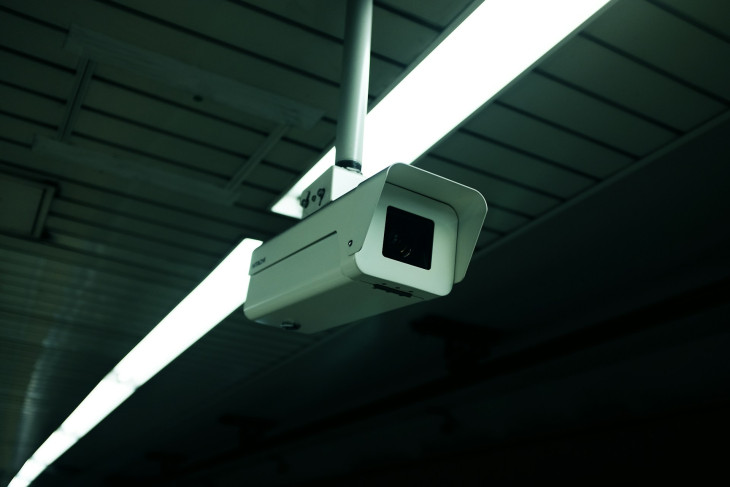
Outdated surveillance systems can leave critical blind spots in manufacturing facilities, especially when cameras have low resolution, limited storage or frequent downtime. These gaps make it difficult to properly monitor activity or investigate incidents after they occur.
Incomplete coverage often affects high-risk areas such as loading docks, storage rooms and perimeter entrances. When these locations are not consistently monitored, unauthorized activity may go unnoticed.
3. Weak Perimeter Security
A poorly maintained perimeter can make it easier for intruders to reach buildings, storage areas and operational zones without detection. Damaged fencing, unsecured gates, weak lighting and repeated trespassing are common signs of vulnerability, particularly around high-value or lightly monitored areas.
Property crime remains a significant concern. U.S. Department of Justice data reported a property crime rate of 1,835.1 incidents per 100,000 people in 2024, with burglary and larceny-theft representing a substantial share of offenses.
4. Increasing Theft or Inventory Loss
Rising or unexplained inventory discrepancies are often a sign that physical security controls are not fully effective. Losses involving raw materials, tools, equipment or finished goods may indicate gaps in access control, monitoring or storage area protection.
Patterns in the timing, location or type of missing items can provide useful clues about where vulnerabilities exist. Repeated losses from the same warehouse zone, shift or storage area may signal a broader security concern.
5. Limited Visibility Into Visitor Activity
Manufacturing facilities often receive deliveries, maintenance personnel, contractors, inspectors and other visitors throughout the day. Without proper visitor management procedures, it can be difficult to determine who is on-site, where they are authorized to go and how long they remain in the facility.
Organizations that still rely on paper sign-in sheets or informal visitor procedures may struggle to maintain accountability. During investigations, incomplete visitor records can make it difficult to determine whether unauthorized individuals were present.
6. Security Incidents Discovered Too Late
The effectiveness of a security system depends on its ability to record incidents and detect them quickly. If security breaches are routinely discovered hours or days after they occur, existing monitoring processes may not be providing sufficient visibility.
Delayed detection can increase financial losses, extend operational disruptions and reduce the likelihood of identifying responsible parties. This problem often stems from a lack of real-time visibility, but modern technologies can provide a solution. For example, AI video analytics can reduce false alarms by up to 90%, and sensor-driven alerts can improve response times by more than 96%, allowing security teams to intervene faster and more effectively.
7. Employees Frequently Bypassing Security Procedures
Security procedures can lose effectiveness when employees regularly prop open secure doors, share access credentials, tailgate through entry points or skip visitor check-in requirements. These actions create avoidable gaps that can allow unauthorized people into restricted areas.
Frequent noncompliance may indicate that security procedures are unclear, inconsistently followed or difficult to fit into daily workflows. These behaviors can eventually weaken accountability and increase exposure to theft, safety incidents and unauthorized access.
8. Changed Compliance Requirements
Manufacturers often operate in highly regulated industries where security requirements evolve. Changes in industry standards, customer expectations, insurance requirements or government regulations can create compliance gaps if existing security measures are not updated.
A facility that met security requirements several years ago may no longer satisfy current expectations. This can expose organizations to regulatory penalties, contractual issues or increased liability.
9. Facility Growth That Outpaces Security Infrastructure
As manufacturing operations expand, security systems must evolve alongside them. New production lines, additional buildings, expanded warehouses and larger workforces can all introduce vulnerabilities if security infrastructure remains unchanged.
Growth can create more entry points, larger perimeter areas, additional storage zones and higher volumes of employee, contractor and visitor traffic. Systems designed for a smaller facility may no longer provide consistent visibility or control across the expanded operation.
10. Security Systems Operating in Silos
Manufacturing facilities may rely on separate access control, surveillance, alarm and visitor-management systems that were added at different times. When these tools do not share information, security teams can have an incomplete picture of activity across the facility.
This disconnect can make incidents harder to investigate, particularly when teams must manually compare records from multiple systems. Important timing, access or location details may be missed, delaying a clear understanding of what occurred.
Tips for Strengthening Manufacturing Security Systems
Security weaknesses can go unnoticed until they contribute to theft, safety issues or operational disruptions. A 2022 government survey found that around 28% of business premises experienced at least one crime within 12 months, including theft, burglary or vandalism. After identifying gaps, manufacturers can take practical steps to improve protection, visibility and response capabilities across the facility.
- Conduct regular security assessments: Review perimeter barriers, entry points, surveillance coverage, restricted zones and visitor procedures to identify gaps early.
- Upgrade access controls: Use key cards, mobile credentials, biometric authentication or role-based permissions to limit access to authorized personnel.
- Improve surveillance coverage: Add high-definition cameras in high-risk areas, including loading docks, warehouses, parking lots and perimeter entrances.
- Strengthen perimeter security: Repair fencing, improve exterior lighting, secure gates and monitor vulnerable access points.
- Integrate security systems: Connect access control, surveillance, alarms and visitor management tools through a centralized platform for better visibility.
- Improve visitor management: Use digital check-in systems, temporary credentials and escort requirements for visitors entering sensitive areas.
- Train employees regularly: Reinforce procedures for credential use, tailgating prevention, visitor check-in and suspicious activity reporting.
- Reassess security after expansion: Update security plans whenever the facility adds buildings, production lines, employees or storage areas.
Staying Ahead of Manufacturing Security Risks
Manufacturing security threats continue to evolve, making regular assessments essential. By identifying weaknesses in access control, surveillance, perimeter protection and visitor management, facilities can address vulnerabilities before incidents occur. Proactive security upgrades help protect assets, support compliance efforts, improve safety and minimize costly operational disruptions.