








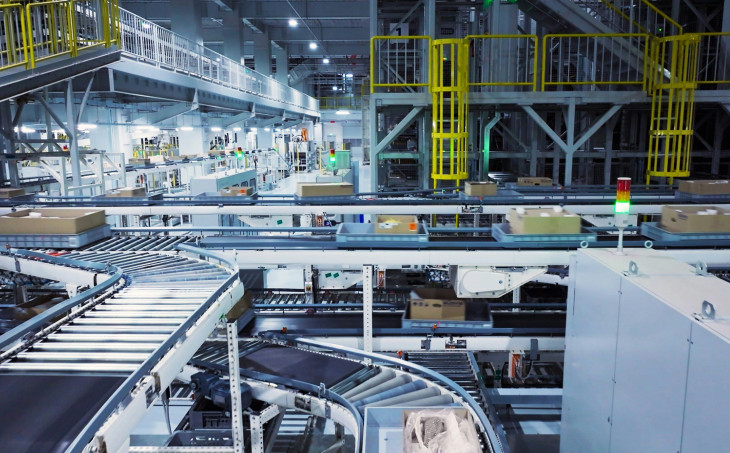
Artificial intelligence (AI) in manufacturing is transforming operations through predictive maintenance, automation and smarter supply chain management. However, many decision-makers still rely on legacy manufacturing systems that lack modern connectivity and data capabilities, creating major challenges when integrating AI technologies into existing industrial environments.
The Legacy Infrastructure Problem
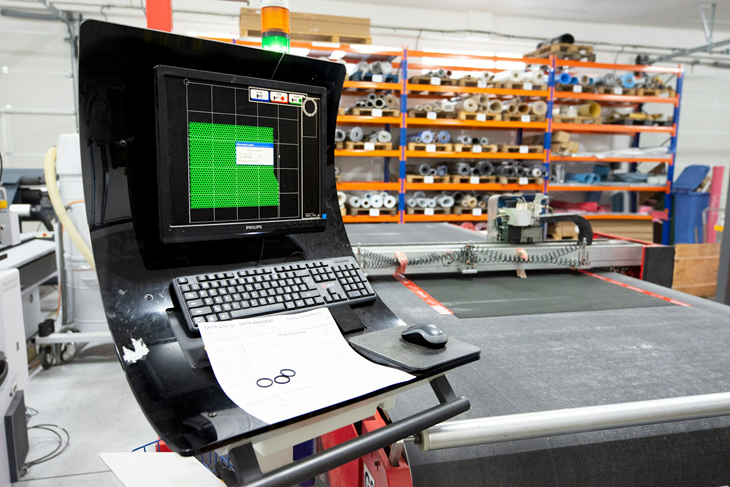
Many legacy manufacturing facilities still rely on equipment and control systems installed long before modern automation and AI technologies became priorities. Factories built 20 to 40 years ago were designed for operational stability rather than data connectivity, making modernization both difficult and expensive.
AI in manufacturing depends on connected data, interoperability and real-time visibility. However, older systems often operate in isolated environments using proprietary software and incompatible communication protocols. In many plants, operational technology (OT) and information technology (IT) systems remain disconnected, creating data silos that limit analytics capabilities and reduce the accuracy of AI-driven insights.
Data Quality and Integration Challenges
AI systems rely on accurate, consistent and accessible data, but legacy manufacturing environments often produce incomplete datasets. Older equipment may store information in incompatible formats or lack the connectivity required for real-time analytics.
Integration becomes more complex when manufacturers operate multiple facilities using different generations of machinery and software platforms. Connecting modern AI tools with aging infrastructure frequently requires additional sensors, middleware and customized integration strategies. These challenges increase implementation costs and can slow the scalability of AI initiatives across operations.
A growing number of manufacturers are adopting digital twin technologies, with 29% of global organizations already using them in some form for predictive maintenance, production optimization and real-time monitoring. This shift toward virtual modeling and continuous data feedback lays stronger foundations for AI adoption in manufacturing.
Operational Risk and Downtime Concerns
Manufacturing leaders are understandably cautious about introducing major technological changes into environments where uptime is critical. In industries such as automotive and energy, even minor disruptions can result in substantial financial losses, supply chain delays or safety concerns.
Legacy systems often support highly customized production processes that have been refined over many years. Altering or replacing these systems carries operational risks, particularly if new AI tools are not fully compatible with existing workflows.
This creates a difficult balancing act. Entities want to modernize and remain competitive, but they must also maintain production continuity. As a result, many AI adoption strategies stall during pilot phases because decision-makers hesitate to scale technologies that could interfere with established operations.
Cybersecurity concerns also contribute to resistance. Connecting older industrial systems to cloud-based AI platforms may expand the attack surface of manufacturing networks, especially when outdated equipment lacks modern security controls. Manufacturers must therefore consider operational integration and the security implications of digital transformation.
The Financial Reality of Modernization
The cost of modernization remains one of the most significant barriers to AI adoption. Upgrading legacy manufacturing infrastructure can require substantial investment in hardware, software, network architecture, employee training and external consulting services. Many manufacturers operate with tight margins and must carefully prioritize capital investments.
At the same time, they recognize that delaying modernization can create long-term inefficiencies. Spending on technologies and services that enable digital transformation reached $2 trillion globally in 2022. This reflects the growing recognition that outdated workflows and disconnected systems limit operational agility and efficiency across industries.
For manufacturers, the financial challenge is not simply about purchasing AI software. Successful implementation often requires broader infrastructure modernization, including cloud migration, edge computing capabilities, improved connectivity and unified data management platforms. Many enterprises underestimate the scale of preparation needed before AI systems can deliver measurable value.
Encouraging Workforce Adoption
Successful AI in manufacturing adoption depends on strong alignment between technology and people. Manufacturing teams working within legacy manufacturing environments bring deep operational expertise, and effective transformation efforts build on this knowledge while introducing new digital capabilities. Clear communication around the role of AI in supporting decision-making and enhancing productivity helps strengthen engagement across the workforce.
Structured training programs and continuous upskilling initiatives enable employees to work with AI-enabled tools and data-driven processes confidently. Leadership support and cross-functional collaboration between engineering, IT and operations further reinforce adoption. When organizations invest in people alongside technology, AI integration becomes a shared progression toward more efficient and resilient manufacturing operations.
Strategies for Overcoming Legacy Barriers
Manufacturers can enable AI in manufacturing through phased modernization approaches that align innovation with operational continuity. Middleware solutions and industrial integration platforms help connect existing equipment with modern data environments, supporting seamless data collection and standardization across production systems.
Edge computing strengthens this transition by enabling processing closer to the machines, reducing reliance on full system replacements while improving responsiveness. Entities often begin with high-impact AI applications such as predictive maintenance, automated quality inspection, and energy optimization to demonstrate early value and support wider adoption.
Long-term success is supported through structured digital roadmaps that integrate infrastructure upgrades, cybersecurity enhancements and workforce capability development. This coordinated approach allows manufacturers to bridge legacy manufacturing environments with intelligent, data-driven operations while improving efficiency, scalability and resilience across the enterprise.
Moving Toward Sustainable AI Adoption
Manufacturers that modernize legacy manufacturing systems strategically will be better positioned to adopt AI successfully. Through phased integration, stronger data management and long-term digital planning, brands can improve operational efficiency, reduce risk and unlock greater value from AI in manufacturing.