




Before an aging power plant can become a redevelopment asset, its most dangerous legacy may be hidden inside a decades-old storage tank. Operators must decide whether to modernize existing infrastructure, repurpose facilities or retire them permanently. However, decades of industrial activity have left behind hazardous residues in storage tanks and processing equipment, complicating these transitions.
Incomplete maintenance records and accumulated contaminants create additional challenges, which make it difficult to assess potential hazards before demolition or retrofitting begins. As a result, decommissioning legacy power plant storage tanks requires careful planning and specialized cleaning methods. Hazardous waste remediation has become a critical first step in energy infrastructure modernization, requiring coordinated cleanup operations to protect workers and prepare facilities for redevelopment.
What Makes Legacy Industrial Tanks So Difficult to Clean?
Industrial tanks accumulate sludge and hazardous residues over years of continuous operation. The type and extent of contamination depend on the facility's historical processes, stored materials and maintenance practices. Aging tanks also present structural challenges, as corroded walls and limited access points make inspections and cleaning more difficult. These conditions can increase the risks associated with conventional cleaning methods, particularly when workers must enter confined spaces.
Inside these tanks, workers may encounter toxic gases and potentially unstable materials. Such hazards make manual cleaning particularly dangerous without proper safety precautions. Under the Occupational Safety and Health Administration’s permit-required confined space standard, employers must test conditions before entry is authorized, and certain permit-space entries require atmospheric testing with a calibrated direct-reading instrument for oxygen content, flammable gases and vapors, and potential toxic air contaminants.
Why Traditional Tank Cleaning Methods Are Becoming Less Practical
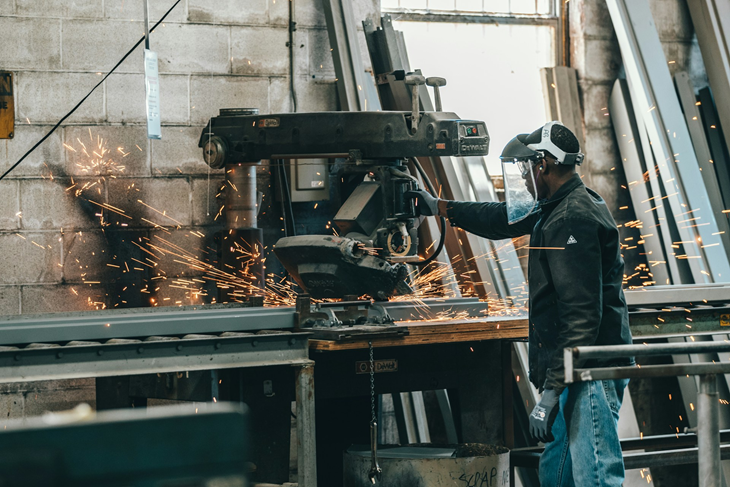
Traditional industrial tank cleaning often involves manual sludge removal, high-pressure washing and worker entry into confined spaces. These methods require extensive preparation, including atmospheric testing and the use of protective equipment to reduce exposure to hazardous substances. Manual cleaning also presents additional challenges, as workers may encounter toxic residues while washing operations generate contaminated wastewater that requires proper treatment and disposal.
Beyond safety concerns, conventional cleaning methods can increase project costs through prolonged shutdowns and hazardous waste transportation. These expenses become particularly significant when decommissioning legacy power plant storage tanks, as extensive contamination can delay the dismantling process. Consequently, facility operators prioritize cleaning methods that limit worker exposure, reduce secondary waste generation and support demanding decommissioning schedules.
How Remote Technologies Are Changing Hazardous Waste Remediation
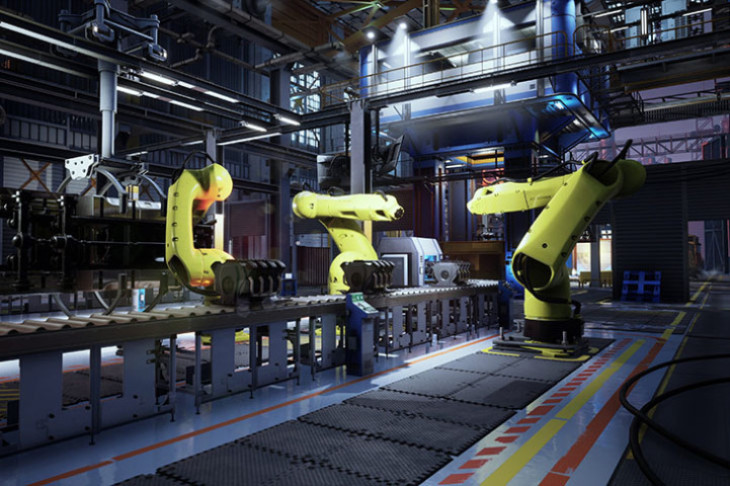
Remotely operated equipment is changing how industrial facilities approach hazardous waste remediation. Robotic crawlers and automated sludge removal systems allow contractors to clean contaminated tanks while reducing the need for confined-space entry. These technologies can dislodge stubborn deposits and extract hazardous materials through vacuum systems. By limiting direct contact with contaminated residues, operators can reduce worker exposure while improving access to challenging tank environments.
Environmental Alternatives, Inc. (EAI) demonstrated the value of specialized cleaning methods during the remediation of a heavily contaminated tank from the Phoenix Program at Los Alamos National Laboratory. Limited accessibility and a one-inch-thick nickel alloy structure complicated the project. Instead of cutting the tank into smaller pieces, crews applied EAI's Rad-Release decontamination solution via a foaming process, increasing contact time with contaminated surfaces. The team then pumped out the used solution, solidified it and packaged it for disposal.
After eight days, the crew reduced contamination from more than 67,000 nanocuries per gram (nCi/g) to below 37 nCi/g. According to EAI, this reduction allowed the tank to qualify for low-level waste disposal, avoiding the hazards and costs associated with cutting it apart.
Closed-loop cleaning and waste recovery systems offer another way to improve remediation efficiency. These systems help contain contaminated liquids, separate recoverable materials and limit secondary waste generation. By pairing closed-loop recovery with front-end waste characterization, contractors can reduce liquid handling, isolate recoverable fractions and keep contaminated secondary streams within controlled disposal pathways.
Managing Hazardous Waste From Tank Cleaning to Final Disposal
Removing hazardous residues from industrial tanks represents only one stage of the remediation process. Facility operators must also characterize waste, coordinate transportation and determine appropriate treatment or disposal methods. The scale of this challenge is significant, with estimates suggesting that approximately 24 million tons of spent lubricating oil are generated worldwide annually. Contaminated oils and oily sludge require careful management to prevent further environmental damage.
Different waste streams also demand specific treatment approaches. Hydrocarbon sludge may be recovered or subjected to specialized treatment, while certain metal-contaminated residues require stabilization before disposal. Regulatory requirements further shape these decisions. Facilities operating internationally must follow applicable national and regional environmental regulations, adding another layer of complexity to large-scale remediation projects.
Why Remediation Planning Must Start Before Decommissioning
Delayed remediation assessments can disrupt demolition schedules and create unexpected environmental liabilities during infrastructure redevelopment. Early planning helps operators identify contamination risks before dismantling begins. This process should include tank inventories, structural inspections and waste sampling to establish the scope of hazardous waste remediation.
Regulatory planning is equally important. The Environmental Protection Agency established streamlined regulations allowing alternative remediation waste permits and unit standards for eligible cleanup activities. Identifying applicable regulatory options early can reduce certain permitting challenges while maintaining environmental protections. Collaboration among engineers and remediation contractors also helps facilities anticipate complications, coordinate cleanup activities and avoid costly surprises during decommissioning.
Making Hazardous Waste Remediation Part of the Energy Transition
Retiring or upgrading aging energy infrastructure requires more than replacing outdated equipment, as facilities must also address decades of accumulated hazardous materials. When decommissioning legacy power plant storage tanks, operators can improve safety and project efficiency through remote cleaning technologies, effective waste management and early remediation planning. Modernizing hazardous waste remediation practices helps industrial facilities manage contamination risks and safely transform aging sites into assets for future energy development.