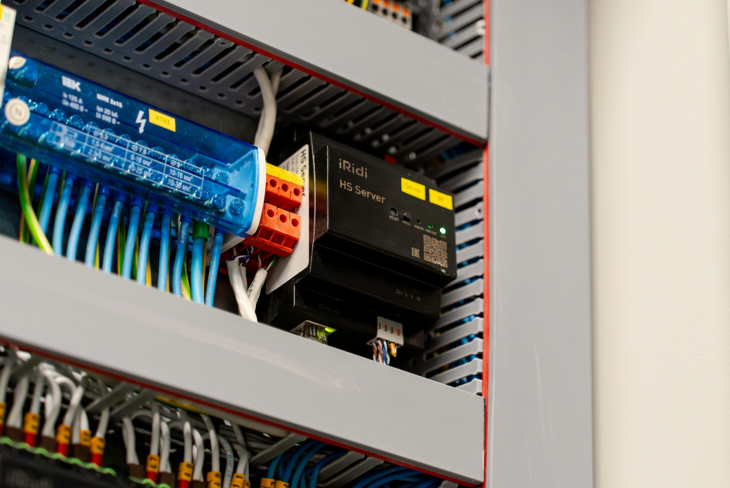








Network resilience begins with proper infrastructure planning. Alternative cable routes, sufficient capacity reserves, and accurate documentation help reduce the risk of service interruptions. A well-designed network should support both current operational requirements and future expansion.
In this article, you will learn:
- how to identify weak points in telecommunications infrastructure;
- how to plan backup network connections;
- how to prepare a network for increasing traffic demands;
- why accurate network inventory data is essential;
- how to reduce infrastructure modernization costs.
Combining these measures helps improve network reliability without unnecessary infrastructure expansion.
How to Identify Weak Points in Telecommunications Infrastructure
Single points of failure are among the greatest threats to service continuity. Damage to a cable or aggregation node can disconnect numerous users, particularly when no alternative data transmission route is available.
Therefore, telecommunications network planning should include an analysis of both physical and logical connections. It is important to verify whether seemingly independent routes share the same cable ducts. Such arrangements can increase the risk of multiple connections failing simultaneously.
Backup Route Planning and Investment Costs
Building alternative connections improves network reliability but requires additional investment. The most effective approach is to prioritize infrastructure segments whose failure could cause the greatest disruption.
GIS systems help analyze existing infrastructure and identify suitable cable routes. Network designers can compare available options based on route independence, technical feasibility, and implementation costs.
SunVizion supports infrastructure planning based on existing network asset data. This makes it easier to develop expansion projects while accounting for technical limitations.
How to Prepare a Network for Increasing Bandwidth Demand
Network resilience also depends on the ability to handle growing traffic volumes. Insufficient connection capacity can cause congestion even when all network equipment operates correctly.
During network design, operators should consider available optical fibers, port utilization, and equipment expansion capabilities. It is also important to maintain sufficient capacity reserves for traffic rerouting during failures.
Good to know: Backup links should provide enough bandwidth to handle the expected traffic load during an outage. Otherwise, switching traffic to an alternative route may negatively affect service performance.
Why Accurate Network Inventory Data Matters
Outdated documentation is a common cause of network design errors. Operators may plan to use cables, ports, or ducts that are no longer available.
For this reason, telecommunications network planning should be integrated with a Network Inventory system. This integration enables designers to work with up-to-date information and reduces conflicts between planned changes and existing infrastructure.
One example is the network planning system for telecommunications infrastructure design offered by SunVizion. The solution uses GIS technology and integrates with the Network Inventory module, supporting project development based on separate versions of network data.
This approach helps engineering teams manage planned changes and transfer approved information into the central network inventory.
How to Modernize Network Infrastructure Without Unnecessary Costs
Modernizing an entire network at once is not always economically justified. A phased approach involving capacity upgrades, additional backup routes, and replacement of outdated equipment is often more cost-effective.
Network planning software helps compare modernization scenarios and estimate implementation costs. It also supports better utilization of existing assets, potentially reducing the need for additional construction work.
SunVizion combines network design with infrastructure data management. This approach simplifies investment planning and helps maintain consistent technical documentation.
Reliable Networks Start With Effective Planning
Effective network planning requires an assessment of failure risks, available resources, and future bandwidth requirements. Properly designed backup connections and the ability to modernize infrastructure in stages are equally important.
Integrating GIS tools with accurate network inventory data enables operators to plan investments more efficiently and reduce design errors. As a result, telecommunications infrastructure can be better prepared for unexpected failures and future service expansion.
FAQ - Frequently Asked Questions About Reliable Telecommunications Network Planning
How Can Operators Reduce the Risk of Telecommunications Network Failures?
Operators should identify critical infrastructure components, design independent backup routes, and ensure sufficient connection capacity. Maintaining accurate technical documentation is also essential.
Does Every Fiber Optic Network Need Backup Connections?
No. The required level of redundancy depends on service availability requirements and the operator's budget. Backup connections are particularly important for critical network nodes and infrastructure supporting essential services.
How Does Network Inventory Support Network Planning?
A Network Inventory system provides information about existing cables, equipment, and connections. When integrated with network planning tools, it helps verify resource availability and reduces the risk of errors during infrastructure expansion.
Telecom OSS BSS Solutions - SunVizion
Address: Puławska 107, 02-595 Warsaw, Poland
Telephone: +48 22 507 92 00
Website: https://www.sunvizion.com/