







Manufacturing leaders who maintain safe workplaces enjoy numerous benefits, including increased productivity, lower turnover rates and fewer accidents. Companies can operate without attracting adverse regulatory attention when their work environments align with the relevant safety standards.
Operator education is a central part of safe facilities because it ensures employees can use heavy equipment, work at risky heights and engage in other potentially dangerous activities relevant to their roles. What should decision-makers do to improve safety and training outcomes?
Review Requirements From Relevant Organizations
Studying what regulators mandate is a good starting point, especially because some are highly specific. Requirements can vary by country and are extremely comprehensive. The standards below apply to many manufacturers in the United States.
The Occupational Safety and Health Administration (OSHA)
OSHA is a federal agency that sets and enforces worker safety requirements, provides training, and issues relevant recommendations. This entity publishes nearly 1,000 standards within four main categories. Some of the most relevant to manufacturing professionals include:
1910.212 — Machine Guarding
These standards relate to safeguards protecting workers from moving parts. They apply to all equipment that could injure operators or others nearby during usage or through accidental contact.
Manufacturers should assess individual circumstances and take proactive steps to eliminate or reduce identified hazards, including requiring ongoing operator training and warning against removing or turning off protective features. Solutions that create barriers without obstructing machine views can increase employee compliance.
1910.147 — Control of Hazardous Energy
This group of standards concerns the lockout/tagout (LOTO) procedures operators should follow if servicing machines that could unexpectedly start or otherwise release dangerous amounts of energy. LOTO processes contain several steps, beginning with helping workers understand potential hazards and concluding with verifying equipment de-energization and isolation. Regular training sessions reinforce these necessities, ensuring people follow them in every appropriate case.
1910.28 — Duty to Have Fall Protection and Falling Object Protection
This two-part standard covers employees whose tasks require working at least 4 feet off the ground and workers at risk of objects from above striking them.
Machines like aerial lifts have built-in fall protections, including harness anchor points and guardrails. Many also feature emergency-stop buttons for colleagues to activate in emergencies. Training ensures all involved parties understand how to engage those functions.
Hard hats provide protection from falling items, making them essential workplace accessories. If manufacturers issue them, they should document distribution dates and provide replacements at manufacturer-recommended intervals
1910.178 — Powered Industrial Trucks
Many manufacturers use forklift trucks, tractors and other motorized equipment to efficiently move bulk items. This standards category covers eleven designations of those vehicles and stipulates details about designs, safety features, operating procedures and similar topics.
American National Standards Institute (ANSI)
The ANSI is a private, nonprofit organization that oversees, develops and enforces over 13,000 voluntary standards across numerous industries, including manufacturing. Although decision-makers should familiarize themselves with relevant ANSI mandates, some apply to most production settings.
B11 — Safety of Machinery
This standard recognizes that eliminating machine-related risks is impossible. Instead, it aims to reach an acceptable threat level with proactive mitigation techniques.
Additionally, this standards group applies an A-B-C format to differentiate between types. A standards include basic safety and design decisions applicable to all machines, while B standards deal with individual safeguards across machine ranges. C standards have the narrowest focus, stipulating guidelines for a single machine or group.
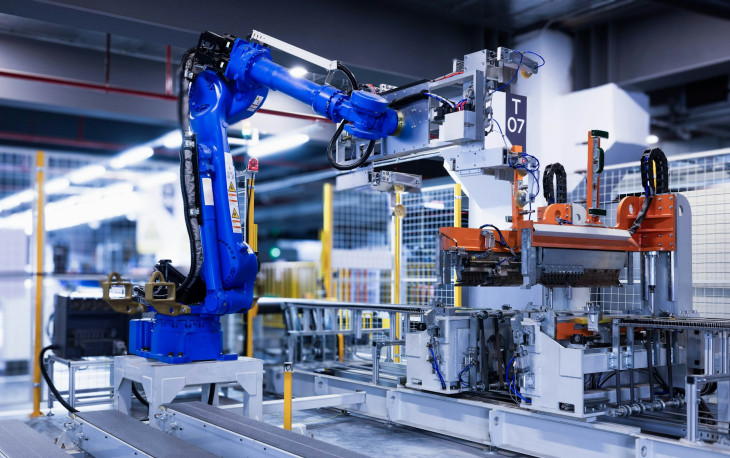
R15.06-2012 — Industrial Robots and Robot Systems
ANSI representatives collaborated with regulators from the Robotic Industries Association to develop these standards about robotic equipment in industrial environments. They span best practices for safe designs, operating practices and hazard recognition.
International Organization for Standardization (ISO)
ISO is a worldwide group of experts who collaborate on numerous best practices for manufacturing principles, process management and more.
ISO 45001:2018 — Occupational Health and Safety Management Systems
This framework manages work-related risks, identifies ways to enhance employee physical and mental well-being, and highlights continuous improvement opportunities. It is broader than the other standards mentioned, applying to all organizations and requiring participants to recognize risks and become accountable for minimizing them.
Develop Operator Training Programs
Once manufacturing leaders confirm their organization meets the relevant standards, they should create detailed plans to give workers foundational knowledge and update their understanding as the industry evolves.
Accommodate Workers Without Offices or Desks
Many assembly line personnel and other manufacturing employees do not have private, dedicated workspaces for training. Education managers should account for this by offering flexible access to the required information.
That may mean allowing employees to complete the content at home for their usual pay. Some companies have addressed this need by publishing educational modules via mobile apps. One recently released app from an industrial robot manufacturer complements the material distributed to more than 25,000 individuals who learn at the brand’s physical training centers.
Tailor the Material to Individual Operators
Many manufacturers have diverse workforces, with people working their first jobs alongside those with decades of experience. This can make it challenging to design applicable training content. However, education directors should consider personalizing it to learners’ roles, backgrounds and other particulars.
Some course vendors offer platforms capable of assessing participants’ knowledge and adapting the content based on their scores on initial questions. That straightforward approach raises engagement and introduces material encompassing new concepts or weak areas rather than things workers already know well.
Experts suggest customizing educational materials according to equipment, company purpose and the environment to satisfy standards. Authorities should also consider implementing virtual reality and gamification systems to address varied learning styles and increase motivation.
Safety Standards Are Essential for Manufacturing Success
Complying with relevant regulations to maintain a safe workplace connects to other, overarching production environment goals. Similarly, operator training encourages employees to gain and develop skills that enable productivity and lower risks.