










High-speed production separates many manufacturers from their competition. It allows them to fulfill more process orders and earn higher profits but requires strict maintenance protocols. The material handling system, often overlooked, is the foundation for quality control and reliable speeds. Without proper attention, organizations risk running into bottlenecks that require time and money to solve.
Inadequate Accumulation Capacity
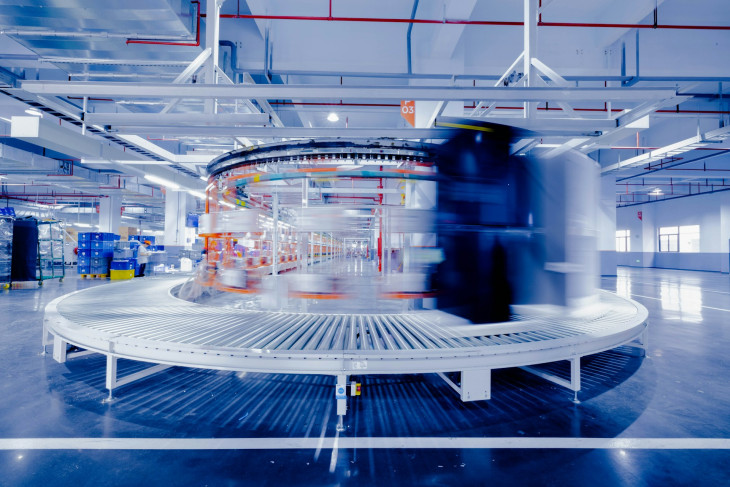
Output-focused machinery at the beginning of the conveyor may create more speed than downstream mechanisms can handle. The dumping grounds for finished products or items needing to be transported to other work zones must be larger or have supplementary handling systems to deal with heavy loads. Buffer zones or adaptable accumulation machinery can prevent shutdowns and traffic buildup.
Installing one or more of these safeguards allows throughput to remain consistent. It also maximizes the value of upstream technologies, allowing them to run without disruption. Eventually, organizations will see fewer collisions and quality upsets due to poor material handling.
Insufficient Sortation and Divert Capabilities
Preventing downtime requires fewer planned stops. Reprogramming machinery or replacing materials to accommodate a recent order takes time and resources. Adaptable production lines should become more common to reduce turnover frequency and improve the versatility of manufacturing infrastructure. It is why researchers are trying to find ways to use aids like barcodes to help programmable logic controllers sort on high-speed conveyors.
As valuable as product variability and adaptability can be, they could lead to categorization concerns. Conveyors may inaccurately divert materials to the proper handling locations, which could lead to mispackaging or noncompliant labeling if items are in the wrong place.
Mixed product streams and excessive waste production are avoidable by embracing automated sorting equipment. They lower instances of human error while quickening processing times. These are controllable with software solutions, which provide real-time insights. Some options include, but are not limited to:
- Pushers
- Tilt-tray sorters
- Chutes
- Balance wheel sorters
- Sliding shoes
- Diverters
- Activated roller belts
Poorly Designed Transfers
Unfinished assemblies spend significant time between machines and processes, and these transfer points are vulnerable. They can lead to defects, unplanned stops and safety issues for several reasons.
First, many technicians are focused on active machinery or the front and end of the line. Intermediary locations can have less intervention because businesses rely on automation. However, even slight changes to conveyor speeds and transfer angles can cause items to topple over, fall off or collide. Operators may also miss if products are landing in the orientation, which can cause misfeeds.
Instead of manually clearing conveyors, technicians can install extra oversight in these zones. Sensors and cameras can connect to remote panels and variable-speed controllers, allowing workers to adjust settings anywhere on the production line. Workers may also use simulation and modeling software to see how new process orders function in high-speed environments before turnover occurs.
Inadequate Maintenance and Preventive Measures
Centralized control systems and sensors are several assets helping technicians refine their maintenance schedules. Other helpful tools include supervisory control, data acquisition systems and artificial intelligence-enabled computer vision. They allow repair schedules to be more informed by analytics. Then, staff can proactively tackle conveyor belts and material handling systems based on bottleneck frequency instead of guesswork.
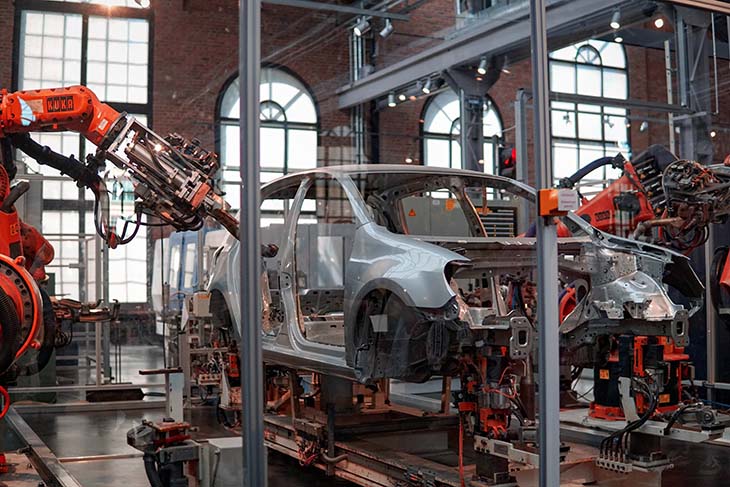
Regular inspections of critical parts, including robotic arms or conveyor rollers can reduce issues. For example, if components like rollers show frame wear or demand constant maintenance, repairs could cost less and extend the system's lifespan. Manipulating and transporting products more carefully will also reduce issues at the material-handling stage.
Lack of Real-Time Monitoring and Control
Designing targeted maintenance schedules becomes even simpler with real-time monitoring. Every part — from belts to sensors — must have a staff member or technology reviewing its performance and health. A miscalibrated laser or a malfunctioning camera could initially cause hard-to-detect problems, especially in high-speed environments.
Consider how printing or sealing issues exacerbate as conveyors and material-handling robots carry them to the following production stages — the quality concerns gradually worsen. Faulty and poorly assembled products can become more prevalent unless companies use predictive maintenance protocols that catch problems before they arise.
Some techniques include vibration analysis or environmental metric observations, like temperature and pressure. Real-time monitoring combined with data acquisition can perfect these processes. It could improve even the most sensitive industries attempting to undergo automation, like pharmaceuticals. One organization used smart systems and data to revise modular assembly solutions, resulting in a 40% reduction in application footprint.
Focusing on the Connections
Material handling systems are the foundation of an effective high-speed conveyor system. Organizations investing millions into upgrading technology to venture into new verticals or expand capacity must give these mechanisms the peripherals, oversight and maintenance they deserve to make operations sustainable in the long term. Invest in these solutions to common bottlenecks to solidify the company’s leadership stance in high-output operations.