








A human-machine interface (HMI) bridges the gap between the digital and physical worlds. Strategic design goes beyond visual appeal, considering functionality and user experience. By utilizing an intuitive, efficient interface, industrial facilities can gain a competitive advantage.
The Evolution of the HMI
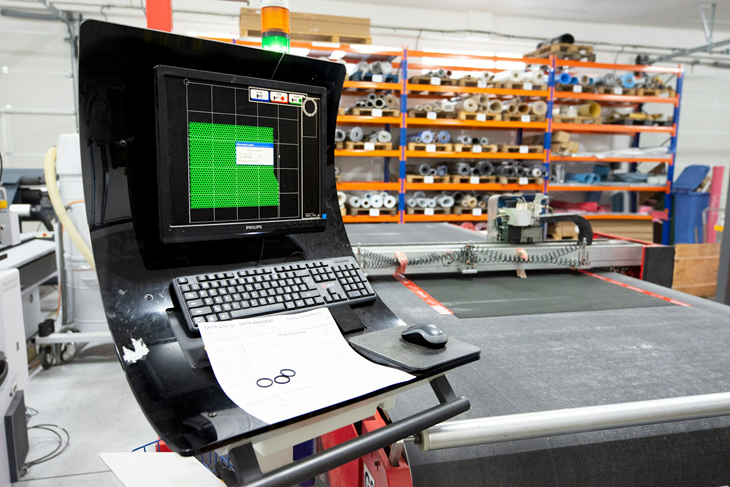
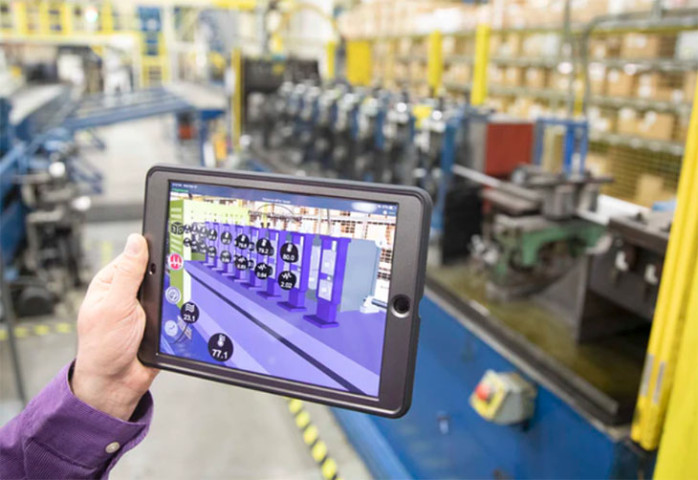
An HMI is a dashboard, touch screen or graphic overlay that connects a person to a machine or device. Its core components comprise a display, an input device and software. This system enables operators to input, visualize and manage data. Due to digitalization, it is becoming ubiquitous in industrial environments.
HMI design has evolved from basic physical panels to intuitive digital interfaces. This shift is a result of engineers moving from purely functional to user-centric design. Modern interfaces prioritize the user’s needs, considering factors like their technical knowledge, work environment and cognitive load.
Clarity and simplicity are crucial for improving reaction times and reducing errors. A well-designed HMI enables operators to perform tasks quickly and accurately, thereby positively impacting a facility’s productivity and efficiency. Additionally, the easier the interface is to understand and use, the faster new workers can be onboarded.
In manufacturing, interface design can impact safety. Machine operators must be able to monitor their equipment’s status, recognize warnings and respond to issues quickly. Clear, intuitive controls create a safer work environment in industrial sectors.
HMI Design as a Competitive Differentiator
As technology has progressed, digital systems have become a staple in manufacturing. HMI has gone from an operational tool to a strategic asset. It has evolved from a means of displaying data to an essential decision-making tool.
However, companies often upgrade their visualization systems without considering HMI design, foregoing benefits like increased operational efficiency, streamlined training and a competitive edge. Here’s how an HMI provides users with a competitive edge.
Enhanced Factory Floor Productivity
Manufacturers are constantly seeking ways to increase throughput and decrease cycle time. An intuitive interface helps workers operate a machine faster, increasing production line productivity, lowering operational costs and minimizing the risk of costly operator errors.
Improved Work Environment Safety
In industrial environments, a well-designed HMI is crucial for ensuring personnel remain safe and equipment remains operational. Facilities can prevent unplanned downtime and mitigate potential liability by making it easier to identify and respond to issues.
Increased Employee Retention
A 2024 Deloitte report suggests that the United States manufacturing industry will need to hire around 3.8 million new workers between 2024 and 2033 to fully capitalize on the recent influx of private and public investments. As the industry grows, millions of seasoned professionals are retiring. Around 1.9 million jobs could remain unfilled due to the skills shortage and lack of applicants.
Strategic HMI design can help employers attract and retain top talent. Individuals are familiar with and have grown to expect user-friendly interfaces similar to those on consumer devices. Further reducing friction during training and operation can help improve employee retention.
Advanced Industry 4.0 Integration
By prioritizing scalable, user-centric design, manufacturers can facilitate the implementation of Industry 4.0 technologies, such as the Industrial Internet of Things (IIoT). Interfaces can be easily updated to accommodate new technologies, evolving industry standards and changing operator needs, providing flexibility in a rapidly changing technological landscape.
How to Strategically Approach HMI Design
Strategic design carefully considers both the tangible and intangible aspects of HMI. In an industrial environment, implementing quality software is half the battle. Professionals must also create a robust physical interface.
A graphic overlay is a flexible plastic film placed over a control panel. This thin, durable substrate is custom cut and printed, featuring various buttons, labels and icons to simplify machine operation.
It must withstand years of use because facilities will use the industrial equipment it’s attached to for years before investing in a replacement. As a result, label manufacturers must use rugged, durable materials to form the faceplate portion. Polycarbonate is a premier choice because it offers flexibility, abrasion resistance, color brilliance and a long service life.
Cracks in the physical interface or illegible, worn icons can harm productivity. Durability is crucial for long-term utilization, so rugged materials and hard coatings are necessary. In addition to functionality, printing companies should consider visual appeal and branding alignment.
What Does the Future of HMI Design Look Like?
While research indicates HMI technologies can increase overall productivity, their adoption varies significantly. The level of technology usage within an industry is the most influential deciding factor. Those operating in technologically advanced sectors typically have a high adoption rate, while the opposite is true for those with limited resources.
Manufacturing is embracing Industry 4.0 technologies, setting the stage for a booming HMI market. IIoT and artificial intelligence will influence interface design. In the future, real-time data analytics will necessitate the implementation of visualization hubs. For now, leaders will likely focus on current pain points, such as labor and productivity optimization.
The U.S. Census Bureau’s 2025 Quarterly Survey of Plant Capacity Utilization estimated manufacturing plants in the U.S. utilized just 72.6% of total production capacity in the first quarter.
It is rare for any single plant to operate at 100% for a sustained period, let alone an entire sector. Downtime related to maintenance, equipment failure or demand fluctuations is inevitable. However, manufacturers could achieve a higher production capacity if they embrace strategic HMI design.
HMI Design Is the Next Competitive Advantage
Decision-makers should consider strategic HMI design as an investment in productivity, safety and technological advancement. By prioritizing the human element of digitalization, early adopters will likely lead the way in the future of manufacturing.