










Converting industry companies specialize in modifying or combining raw goods to make thin layers that become textiles, films, paper, and other flexible materials. Because these businesses often fill customization requests for clients who need partially or fully finished products, their executives have deployed many strategies to remain competitive and adaptable.
Prioritizing Automation Investments
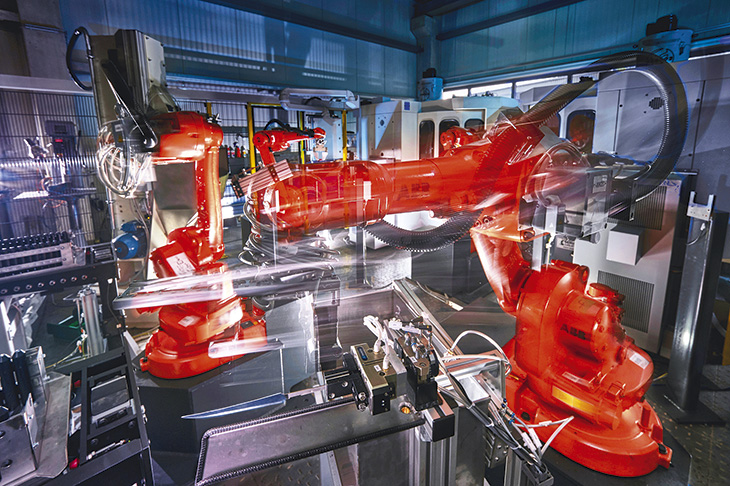
Many decision-makers follow the lead of their peers in other sectors and realize the importance of strategically adopting automated equipment to accelerate workflows, reduce errors, and address labor shortages. These systems can also raise overall output, helping converters meet new needs or accept large contracts.
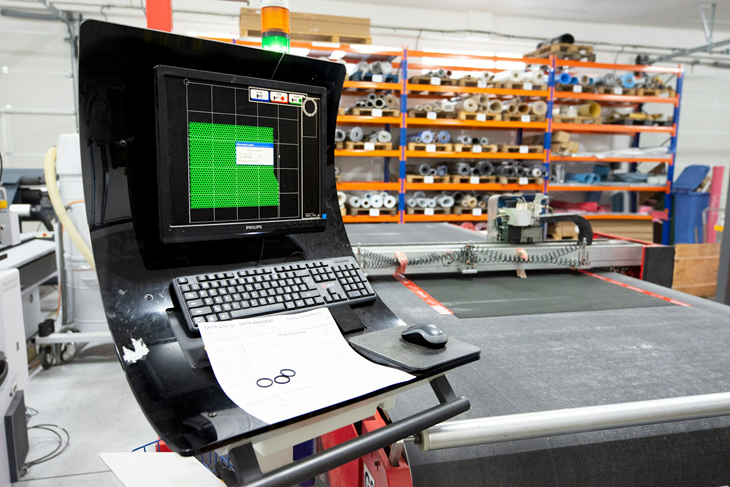
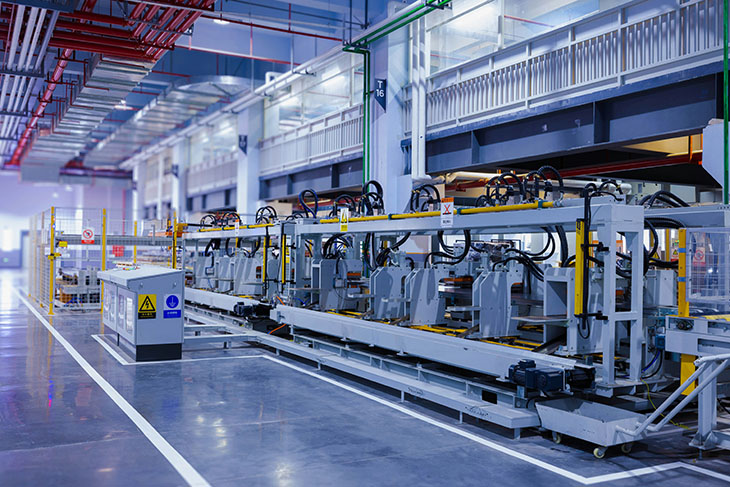
In one case, representatives aimed to reduce headcount for a process that separates and retrieves stacked foam layers from production lines with vacuum suction, preparing them for cutting into the desired shapes. Leaders targeted this goal by purchasing several unstacking machines and approximately 25 conveyors. Although these steps formerly required 20 workers, just four now work the heavily automated line.
Finding the most appropriate ways to automate time-consuming steps supports custom conversion because it minimizes variability caused by fatigue or distractions. Retraining opportunities that expand employee skills also equip entities to address internal gaps while keeping production levels high.
Improving Company Processes to Enhance Quality
Converting brands showcase dependability and trustworthiness by emphasizing continuous improvement. The business size, products created and average volume influence the steps taken to achieve the desired results. However, leaders should focus on measurable actions connected to overarching goals.
For example, lowering defect rates requires taking corrective and preventive actions tailored to the identified shortcomings. However, executives without well-defined quality standards should develop a framework according to customer requirements, current regulations and industry norms. Regular inspections and tests indicate how closely the enterprise meets its ideals.
Conducting them at various process stages enables identifying root causes as early as possible. Positioning improved quality as an ongoing goal also increases personal accountability and motivation by encouraging workers to consider how to uphold continuous improvement while addressing clients’ complex orders and growing their skills.
Educating Workers to Keep Knowledge Current
Education often dominates a new hire’s first few weeks, ensuring they understand a converting company’s mission, safety rules and administrative processes. Such training supports these individuals throughout their time with employers, equipping them to stay abreast and implement internal and wider industry changes and best practices. The content may also prepare them for new customer requests reflecting emerging trends.
Many converting industry leaders foresee a rising demand for recyclable and compostable packaging that aligns with upcoming European Union requirements. Paper-based and mono-material offerings featuring barrier technologies to protect the contents will help brands become more sustainable by using suitable, updated designs.
When training content covers developments such as this one, staff will have the knowledge to stay relevant in an evolving industry. However, educational coordinators should account for how many employees lack desks or other designated locations to work through modules or chapters.
One converting business tackled that challenge by launching an online learning platform specific to its industry. Learners can take detailed machine overview courses or those about tissue and print offerings. Because this on-demand solution allows entities to create customized content, the topics remain applicable to those addressing new order types and increasing volumes.
Showing Adaptability to Succeed
These examples illustrate how converting companies can tweak methods, offerings and processes to excel in a challenging industry. That responsiveness makes them well-equipped to fulfill customer needs as they evolve.
Executives should remain open to investing in new equipment, expanding training opportunities and instituting workflow improvements while assessing how to improve. Employee and customer feedback can reveal focus areas that drive lasting and meaningful impacts.