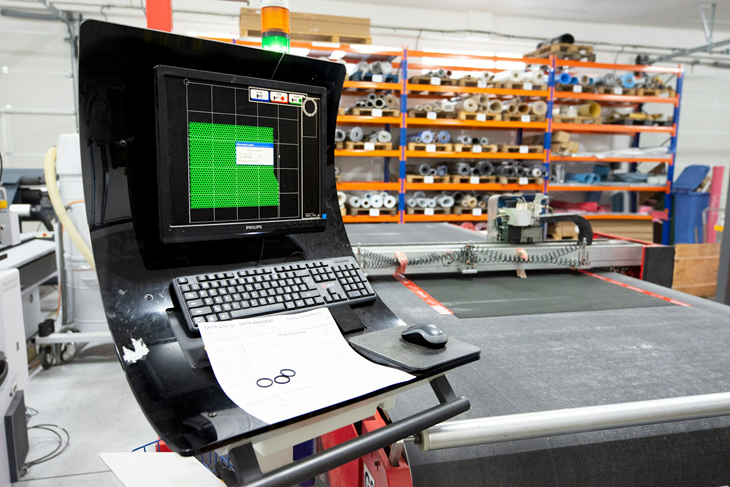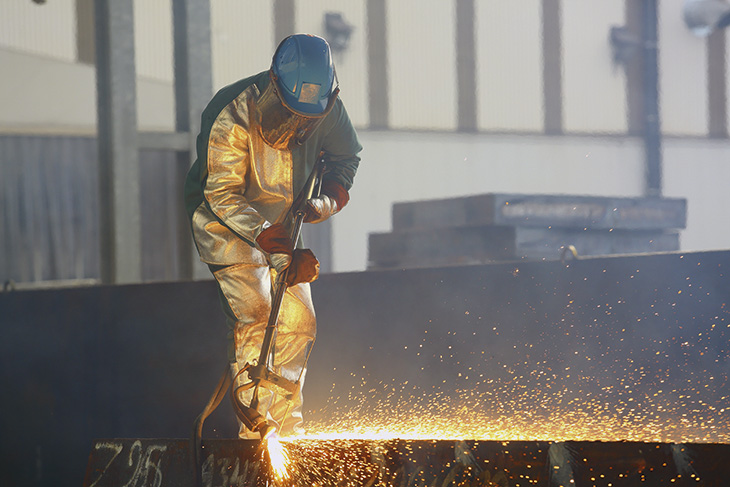








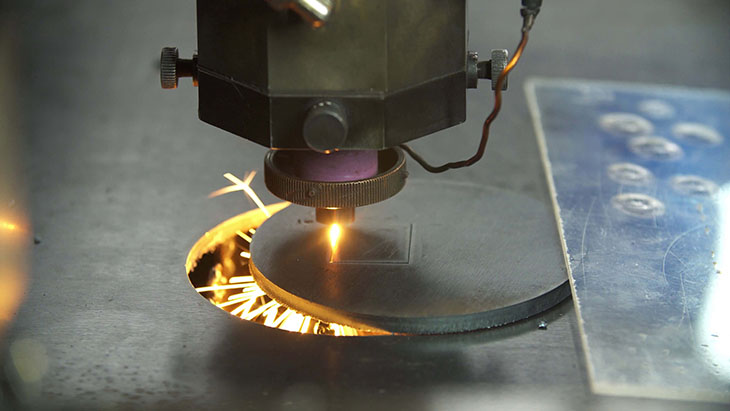
While running laser cutters, plasma systems or a floor full of pneumatic tools, your setup depends on consistent airflow, stable pressure and clean output. The right machine keeps everything moving, while the wrong one chips away at efficiency.
For a fiber laser, the stakes are even higher. The compressed air isn’t just for actuation — it’s often the cutting-assist gas. Here’s how to choose a system that protects your investment and ensures a perfect cut every time.
How You Should Evaluate Air Compressors for Metal Cutting
A good system can deliver consistent, clean, high-pressure air. When choosing an air compressor for metal cutting, focus on several key factors.
Reliability and Uptime
Your machines need to run as long as your shop does. Rotary screw systems usually outperform reciprocating units in continuous environments because they deliver steady airflow without cycling on and off. Downtime is an industry-wide challenge, with most facilities losing 800 hours of machine time annually at a cost exceeding the price of the machines themselves. So investing in high-quality, compatible units is worth it.
Performance and Air Quality
Laser cutting and plasma cutting depend on consistent pressure and clean, dry air. For a fiber laser, moisture and oil in the main line are catastrophic. They can contaminate the machine's expensive focusing lens, leading to poor performance and costly repairs.
Impure assist gas is a primary cause of dross or slag on the cut edge, requiring time-consuming secondary cleanup operations that hurt profitability. Look beyond the basic pounds per square inch (PSI), airflow and treatment.
Long-Term Value
The purchase price is only part of the story. Energy use, maintenance intervals and part availability shape your real cost over time. A cheaper unit that struggles under load usually ends up costing more in the long run.
Warranty and Support
When something goes wrong, you need answers fast. Strong warranty programs and responsive service networks reduce risk, especially in high-output environments.
Quality Air Compressors for Metal Cutting
These companies consistently feature in fabrication shops, each bringing something different to the workbench.
1. Quincy Compressor
Quincy Compressor offers reliable air compressors for metal cutting. This is critical for a fiber laser, where any downtime of pneumatic output means your six-figure laser is sitting idle. Quincy has been around since 1920, and that century of experience shows in how the company’s systems are built. You get machines designed for continuous operation, not occasional use, which matters when your shop runs full days and overnight shifts.
The air compressors’ range covers everything from reciprocating models like the QT series to rotary screw systems like the QSI and QGD lines. That flexibility makes it easier to match your setup, whether you’re running a single computer numeric control (CNC) machine or a full production floor.
Most importantly, the Quincy Compressor systems are designed to deliver consistent, clean gas across applications like laser cutters, plasma cutters, spray painting and pneumatic tools. That stability helps protect your output quality and equipment.
Key Features:
- Strong reputation for reliability under continuous use
- Industry-leading warranty options without strict service contracts
- Wide production range for different shop sizes
- 24-hour support through a network of experienced experts
2. KAESER COMPRESSORS
KAESER COMPRESSORS is an efficiency-focused option with integrated dryer and filtration systems, which is ideal for producing the pure, dry assist gas that fiber laser optics demand. KAESER’s systems are built around energy optimization, with a focus on the Sigma Profile rotors and advanced control options.
For larger industries, the provider offers air-as-a-service, eliminating the hassle of supplying compressed gas to your various stations and work areas. Over time, this translates into lower operating costs, which you’ll notice if your compressors run most of the day.
The brand also leans heavily into system design. Instead of just selling machines, it positions itself as a complete compressed-air solutions provider. KAESER COMPRESSORS caters specifically to automotive and plastic manufacturers, but fabricator facilities also benefit from tailored solutions. Its reciprocating compressors are suitable for fab shops with fluctuating demands.
Key Features:
- Excellent energy efficiency
- Advanced control systems
- Strong system integration options
- Air-as-a-service
3. Ingersoll Rand
Ingersoll Rand offers flexible options to dynamic fabrication workshops. It has one of the industry's largest product ranges, covering everything from small shop units to large industrial systems, including dryers and high-pressure installations. Its diversity makes it easier for your business to scale or adapt as your needs change.
The company’s machines are known for durability, and its global service network is a big advantage if you operate across multiple locations. With a range that includes oil-filled compressors, nitrogen gas generators and centrifugal machines, Ingersoll Rand can partner with any industry and meet any production and fabrication needs.
The brand also offers automation options that enable production line setup and the digitization of workflows, increasing output and efficiency. It also provides parts and materials for the servicing and maintenance of various machines.
Key Features:
- Massive product selection
- Strong global support network
- Proven durability
- Centuries of industry experience
4. SULLAIR
SULLAIR offers machinery suited to rugged environments, making it an ideal option for workshops that frequently operate with heavy-duty equipment and materials. This ruggedness ensures the vital air supply to your sensitive laser isn't compromised by a harsh shop environment. SULLAIR’s compressors are known for exceptional durability and long service lifespan. It focuses less on advanced digital features and more on mechanical reliability, which many fabrication shops prefer.
Since 1965, the brand has offered high-quality fabrication machinery and was among the first to integrate rotary screw technology for air compression. It is part of Hitachi Industrial Equipment Systems and continues to provide industry-leading solutions. Some industries it serves include automotive, construction and mining, gas compression and general manufacturing.
SULLAIR also offers air system management for integrated workspaces where throughput exceeds a single compressor's capacity. It sources parts and specialty fluids worldwide, making it a good maintenance partner.
Key Features:
- Hardened design
- Long lifespan
- Strong warranty on core components
- Various quality certifications
How Do I Size a Compressor for Continuous Metal Cutting?
Sizing your compressor requires matching demand to machinery. Start by calculating the total airflow or speed output your shop needs. Add up the cubic feet per minute (CFM) required for each tool and machine that may run simultaneously. That includes grinders, drills, CNC systems and cutting equipment.
Then add a buffer, as running equipment at full capacity continuously shortens its lifespan and increases wear. For constant metal cutting, rotary screw compressors usually make more sense as they deliver steady airflow without pressure drops.
While your shop's total CFM is important, a fiber laser needs a dedicated, high-pressure and pure air source. Simply teeing off your main shop line is risky, as pressure drops caused by other tools can ruin a cut midway through.
For pneumatic force cutting, you'll often need a system that can consistently deliver maximum PSI. Many shops install a dedicated rotary screw compressor and a separate high-pressure receiver tank to protect the laser. This buffer system ensures the laser never stalls and that pressure remains constant from the beginning of a cut to the end.
What Size Air Compressor for Metal Cutting Tools?
Size refers to more than tank capacity. You should rely on the following when determining your needs:
- CFM or airflow, which is measured in cubic feet per minute, and tells you how much pressure your system delivers.
- PSI or pressure, which is measured by how much force is applied per square inch of work surface.
A die grinder might need a 4 CFM -6 CFM at 90 PSI, but a plasma cutter or laser system requires significantly more delivered with greater consistency. The right setup meets peak demand without dropping required pressure levels. If your pressure drops during operation, your compressor is undersized.
Frequently Asked Questions
Learn more about air compressors for metal cutting.
What's the difference between a rotary screw and a piston air compressor?
A rotary screw design delivers continuous airflow and runs efficiently under constant demand, making it ideal for fabrication shops. A piston-styled unit cycles on and off, which suits lighter, intermittent use but can struggle with steady, high-output metal cutting.
Do I need an air dryer for my metal cutting applications?
For consistent results, an air dryer is vital. It removes moisture from compressed air, which helps prevent corrosion, protects tools and improves cut quality, especially in laser and plasma cutting, where clean, dry output matters.
What is the total cost of ownership for an air compressor?
Total cost of ownership includes the purchase price, as well as the energy needed to power the machine and maintenance, repairs and downtime expenses. A reliable, efficient compressor often costs more up front but saves money over time through fewer issues and lower operating costs.
What Actually Holds Your Setup Together
Your compressor powers cutting tools and stabilizes your entire workflow. When pressure stays consistent, cuts are clean and your tools last longer. Dry, contaminant-free air keeps your finishes pristine. Choose a high-quality, high-pressure system that keeps up with your shop, not one that’s constantly trying to catch up.