






Counterfeit components can slip into production lines undetected and cause failures that range from minor defects to dangerous malfunctions. Manufacturing teams face pressure to source parts quickly, creating openings for fake components to enter the supply chain. Knowing how to identify counterfeit parts can prevent them from compromising daily operations.
The Widespread Risks of Counterfeit Components
Fake units in finished products can halt manufacturing lines and delay deliveries. Substandard parts lead to equipment breakdowns that force teams to scramble for replacements and rework entire batches. Production schedules fall apart, and the ripple effects can affect multiple departments.
End-users who depend on manufactured products expect them to function as designed. A part that fails during use may cause injuries or property damage, exposing companies to liability claims and potential regulatory scrutiny. Recalls become necessary when fake parts cause widespread failures. Worse, fixing defective products often costs far more than any savings from using cheaper components.
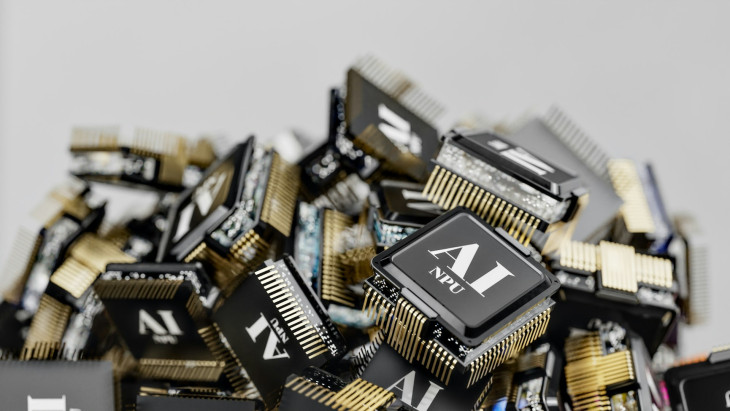
Trust takes years to build but only moments to destroy. Word will spread fast when products fail, and recovering from quality scandals can take years of sustained effort. Counterfeit parts also pose security risks, particularly in electronics, where fakes may come with hidden vulnerabilities that compromise data or system integrity.
How Counterfeits Infiltrate the Manufacturing Supply Chain
Goods of questionable origin can enter the market through various channels across numerous industries. When third-party distributors source from questionable sellers, smaller manufacturers bear the greatest cost and consequence. Budget constraints and pressing deadlines can push procurement teams toward providers who offer deals that seem too good to pass up.
For example, a major bicycle manufacturer worked with law enforcement and e-commerce platforms to address counterfeit products flooding the market. The collaboration dismantled two counterfeit manufacturing operations and seized over $1.6 million worth of fake bicycle components. This operation revealed how organized counterfeit networks operate, using legitimate-looking storefronts to distribute fake parts across multiple markets.
In fiscal year 2024 alone, U.S. officials seized over 211,000 counterfeit vehicle parts, ranging from brake components to electrical systems. Major auto manufacturers now dedicate entire teams to tracking down counterfeit suppliers and protecting their supply chains from further infiltration.
The Securing America's Federal Equipment in Supply Chains Act is a legislative effort to prevent counterfeit components from entering government supply chains. When lawmakers take action at this level, it signals just how serious the problem has become.
How to Identify Counterfeit Parts
Detection requires multiple verification methods working together. The following techniques help quality control teams spot incoming fakes and protect production processes.
Conduct Thorough Visual Inspections
Training teams to examine parts before accepting shipments is the foundation of counterfeit detection. Inconsistent logos or branding that appear slightly different from the genuine version often signal imitations. Manufacturers maintain strict standards for their markings, so any variation should raise questions. Even small differences in font weight or logo placement can indicate a fake.
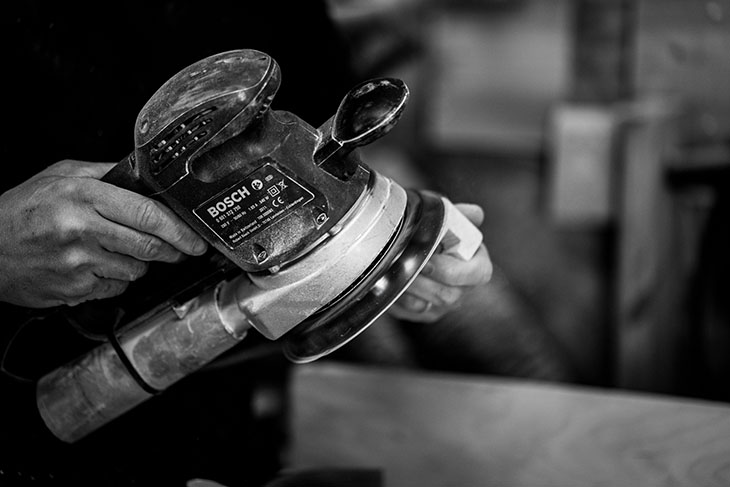
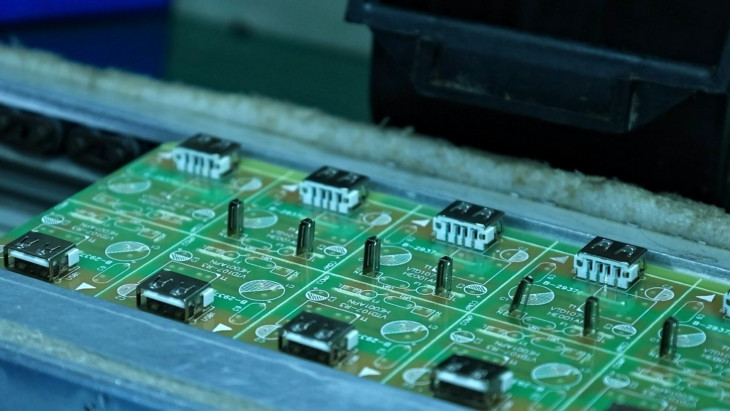
Part numbers and date codes with blurry or mismatched fonts are another red flag. Authentic components display crisp, uniform printing, while counterfeits often show smudged or irregular characters. Blacktopping leaves visible evidence when counterfeiters resurface components to apply new markings over old ones. This process typically creates sanding marks or uneven surfaces that legitimate parts do not have.
Examine Physical and Structural Characteristics
Authentic parts maintain uniform coloring throughout, while counterfeits may show variations or discoloration. As for surface texture, genuine components have uniform finishes that counterfeiters struggle to replicate.
Flash, sink marks or rough edges indicate poor manufacturing quality because legitimate manufacturers maintain strict tolerances in their molding processes. Leads and pins need close inspection, particularly for poorly finished surfaces or signs of re-tinning. Counterfeiters often salvage old components and refinish them, leaving telltale marks that careful inspection can detect.
Verify Packaging and Documentation
Genuine manufacturers invest in durable packaging materials that protect parts during shipping. Flimsy boxes, damaged seals or materials that feel cheap compared to previous shipments warrant closer examination. Comparing packaging to what verified suppliers have sent in the past also helps establish what authentic packaging should look like.
Labels with blurry printing, spelling errors or formatting inconsistencies are warning signs. Documentation must match the components inside, including part numbers, quantities and manufacturer information. Errors in paperwork suggest the parts did not come from the stated source.
Consider Advanced Verification Methods
When visual and physical inspections don't provide clear answers, more advanced methods can help verify authenticity. Electrical testing measures whether components perform according to manufacturer specifications. Parts that fail to meet expected parameters likely aren't genuine.
X-ray inspection reveals internal structures without damaging the component. The method can identify recycled parts, incorrect die sizes or missing internal elements that visual inspection can't detect. Decapsulation involves removing the component's outer casing to examine the internal die directly. However, this destructive method works best for high-stakes components where the cost of failure justifies the expense.
Building Inspection Into Standard Processes
Detection methods work best when teams apply them consistently. Manufacturing operations should integrate counterfeit screening into receiving protocols instead of treating it as an occasional check. Assigning specific team members to handle incoming inspections creates accountability and builds expertise over time.
Training should also go beyond quality control departments. Procurement staff must recognize warning signs when evaluating suppliers, and production teams should know how to flag suspicious components during assembly. Documentation is also crucial. Recording inspection results, photographing questionable parts and tracking which suppliers trigger concerns helps identify patterns and prevent repeat issues.
When teams discover suspected counterfeits, they need clear escalation procedures. Some organizations create review boards to evaluate findings and decide whether to reject shipments, contact suppliers or report issues to the authorities.
Strengthen Your Business Against Counterfeits
Building a culture of vigilance around component verification protects more than the bottom line. When teams treat authenticity checks as a standard part of quality control, they can safeguard the people who depend on products and maintain the trust their companies have earned.