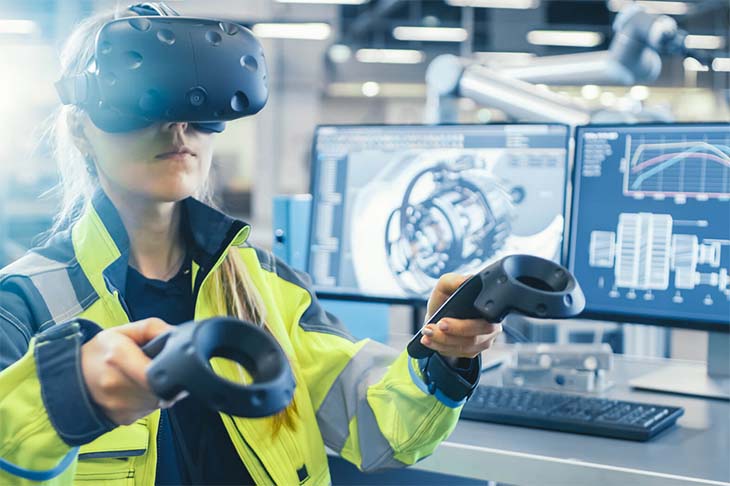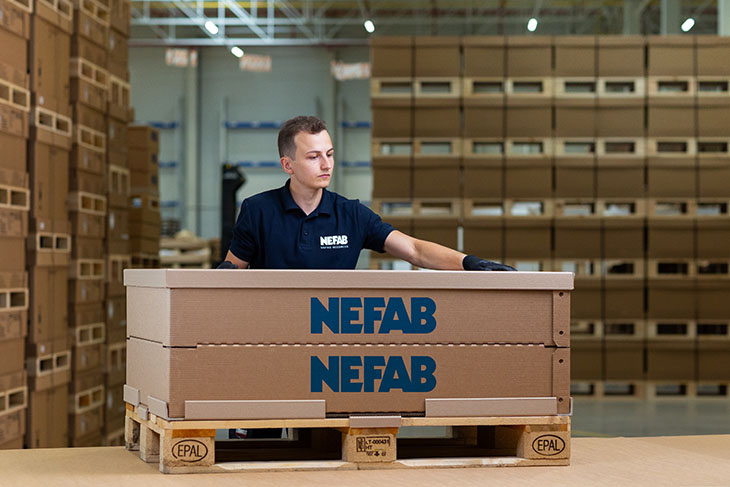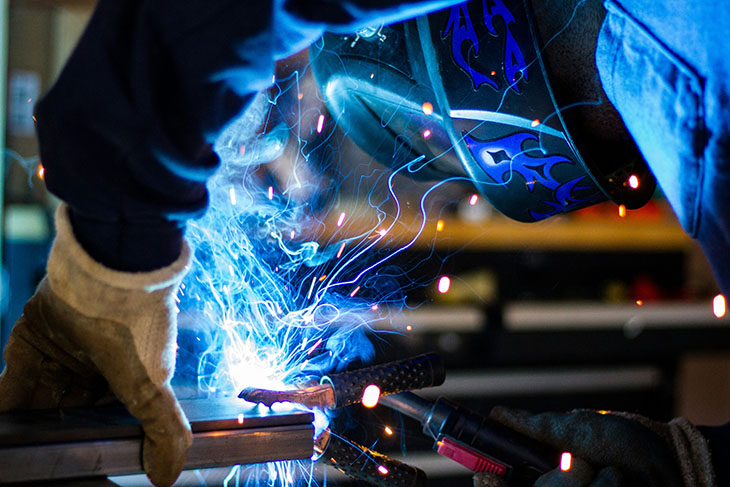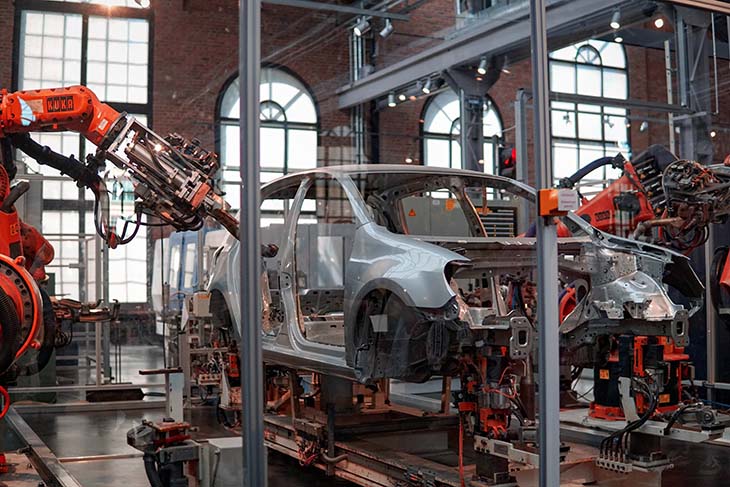








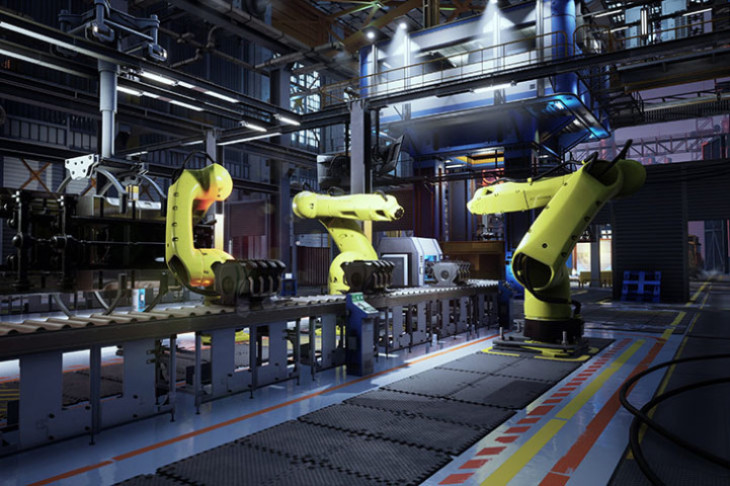
Artificial intelligence (AI) is affecting global industries, from automotive to construction. It can translate information it discovers throughout the entire workflow, including meticulous floor-level operations, and clarify data for management to turn into goals and a strategy. The immense amount of raw data can yield the most relevant supply chain optimizations by removing manual data collection and entry. How does AI boost warehouse analytics?
Predictive Maintenance
The floor has the most valuable information about employee productivity and machine capabilities. Sensors gather information from what they see, feel and hear, creating an accurate picture of granular operations without time-consuming intervention. What was once qualitative is now concrete and actionable, informing maintenance planning.
This attentiveness is essential to supplement the workforce, allowing them to continue participating in high-value tasks without constantly reporting every byte of data to leadership. Sectors like the fashion industry have consolidated fragmented data throughout the value chain to understand everything from production capacity to logistics barriers. These insights are vital for preserving supply chain machinery and systems.
For example, temperature sensors can detect how equipment responds to even the most subtle shifts. The findings could reveal new energy consumption patterns or early part degradation, informing more accurate predictive maintenance schedules and replacing reactive tactics. AI models gradually learn and remember more about proprietary information and performance expectations. AI can analyze numerous criteria, including visible vibrations, atypical noises, frequency of part replacements and the amount of downtime the machine accumulates.
Real-Time Inventory and Asset Tracking
Visual sensors can do more than just detect when a machine is failing. AI in warehouse management can also help catalog products faster than manual counting. Everything from advanced cameras to warehouse drones can scan shelves accurately and track their journey throughout the supply chain. When there is a consistent method of identifying an item, it can be updated in a centralized database in real time.
Even the smallest percentage of inventory inaccuracy can lead to tens of millions in losses. Attaining near-100% accuracy is more possible if AI tools can follow a product from the factory floor to shelves and all the way to loading trucks. Constant transparency will give the workforce a clearer view of stock levels and improve demand forecasting as databases become more reliable.
Labor and Workflow Optimization
A survey reported that 83% of industry professionals believe supply chain disruption risk is mitigable with stronger relationships. The basis of this is improving the working conditions by streamlining workflows to help employees navigate and communicate more effectively. Labor optimization will also better equip workers to communicate with partners and suppliers.
AI helps by using computer vision, machine learning and other tools to analyze labor movements. It can identify inefficiencies in travel paths, heavy machinery congestion or ergonomic risks in warehouses. The visibility can inspire edits to facility layouts or the redelegation of tasks.
Automated Quality Control
High-resolution cameras powered by AI algorithms could inform quality control departments about what they review from the supply chain and warehouse floors. The AI model can observe products with higher accuracy than the workforce, reducing human error and better detecting hard-to-notice defects or assembly and packing issues.
Having this information populate in real time can prevent numerous issues in a supply chain. For food manufacturers, it could detect products that would prompt a recall before they hit the market. For automotive makers, it would identify a safety hazard in a critical part before reaching assembly. Every issue further trains the AI to make the floor even more consistent and trustworthy.
The Utility of AI in Warehouse Management
Fewer data points are more essential than what is happening on the supply chain floor. The information management can glean here is the foundation for how the rest of the workflow will unfold. As AI discovers more optimizations, teams can incorporate impactful and progressive change, leading to a powerful feedback loop of growth that is evidence-based. Forecasts become more precise, and operations are more resilient.