







Manufacturing companies face unique cybersecurity risks that can disrupt production, equipment and shipments, and create safety and financial threats. As such, effective cybersecurity training is essential. It helps employees understand threats, recognize warning signs and make safer decisions.
For manufacturing organizations, training should be practical and relevant to employees’ specific roles. When employees know how to respond to threats, they actively support the company’s cybersecurity and help ensure a safer workplace.
Why Cybersecurity Training for Manufacturing Employees Is Important
A 2025 UK survey showed that 43% of businesses reported experiencing a cybersecurity breach in the last 12 months. A successful attack can disrupt production, damage equipment, delay shipments, expose sensitive information and create safety concerns.
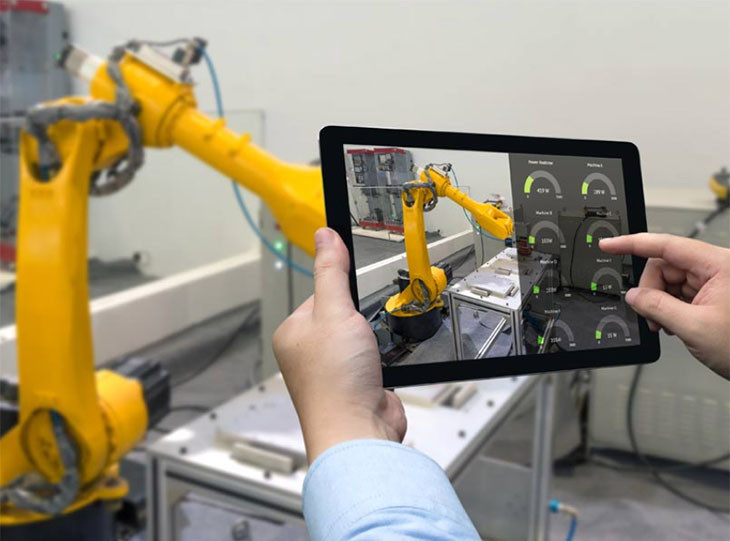
Manufacturing facilities also rely on connected machines, operational technology and digital systems that can increase the impact of a security incident. Employees play an important role in protecting these systems. They may be the first to notice a suspicious email, an unfamiliar device, an unusual machine behavior or an unauthorized request.
Proper training helps employees recognize these warning signs and respond correctly. When employees understand the risks and know how to report problems, they can help prevent small security issues from becoming larger incidents and support safer, more reliable operations.
1. Start With Manufacturing-Specific Risks
The first step in improving cybersecurity training is understanding the threats manufacturing employees are most likely to face.
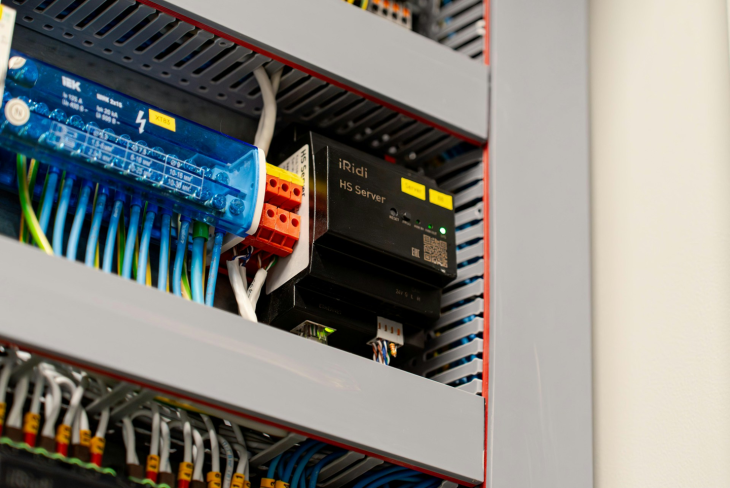
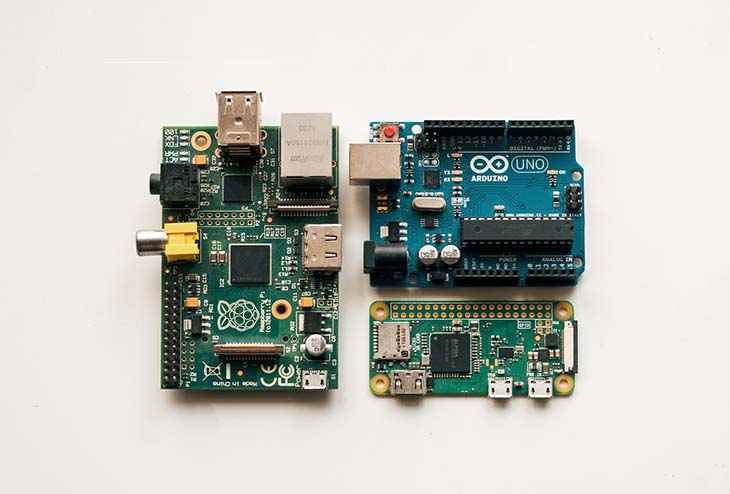
Manufacturing facilities often rely on connected systems, production equipment, sensors and operational technology to keep operations running efficiently. While these technologies improve productivity, they can also create opportunities for cybercriminals to access company systems.
Effective training explains these risks in simple, practical terms. Instead of focusing only on technical definitions, trainers should show employees how everyday actions can affect the organization. For example, a stolen password could grant an attacker access to company systems, while an infected file or unauthorized USB device could introduce malware to a production computer.
These examples help employees understand that cybersecurity is not just an IT responsibility. It can directly affect their roles and is an important part of protecting production, equipment, data and daily operations.
2. Tailor Training to Different Roles
Manufacturing employees do not all face the same cybersecurity risks. A machine operator, maintenance technician, engineer, warehouse worker and finance employee may use different systems and encounter different types of threats.
Cybersecurity training should reflect these differences. Production employees may need training on securing workstations, using removable devices safely and recognizing unusual equipment behavior.
Maintenance teams may need guidance on remote access, vendor connections, software updates and devices used to service machinery. Administrative employees may need more training on phishing, fraudulent invoices, password security and multi-factor authentication, which makes the account 99% less likely to be hacked.
Organizations should provide all employees with basic cybersecurity training while adding role-specific lessons based on their responsibilities. This approach makes training more relevant and helps employees understand how cybersecurity applies to their everyday work.
3. Use Realistic Manufacturing Scenarios
Employees are more likely to remember cybersecurity training when it reflects situations they may actually face at work. Training should cover simple, realistic examples based on everyday manufacturing tasks. For example, an employee may find an unknown USB drive near a production computer, a maintenance technician may receive an unexpected request for remote access or a warehouse worker may receive an urgent email with an unfamiliar shipping document.
Instead of only explaining what employees should do, training should ask them how they would respond. This allows employees to practice identifying suspicious activity and making safe decisions.
Organizations can also use lessons from past security incidents or near-misses. Removing sensitive details while explaining what happened can help employees understand how small mistakes can lead to larger cybersecurity problems.
4. Keep Training Short and Frequent
Manufacturing employees often work different shifts, spend most of their time away from computers or move between areas of a facility. Because of this, long training sessions can be difficult to schedule and may overwhelm employees with too much information at once. Each session can focus on one specific topic or behavior, such as recognizing phishing emails, using USB devices safely or reporting suspicious activity.
Cybersecurity training should also happen regularly rather than only once a year. In fact, sustained phishing simulations and targeted training programs can halve the rate of successful compromises within six months. Short refresher sessions throughout the year help employees remember important security practices without taking too much time away from their daily responsibilities.
5. Teach Employees What to Do When Something Goes Wrong
Recognizing a cybersecurity threat is only the first step. Employees also need to know what to do when they notice something suspicious. A significant 88% of data breaches are due to human error, and 43% of employees have made mistakes that could compromise cybersecurity.
As such, training must clearly explain how and when to report a potential security incident. Employees should know who to contact, which reporting method to use and what information to provide. They should also know when to stop using a device or piece of equipment and when they should avoid trying to fix the problem themselves.
6. Make Phishing Training Relevant to Manufacturing
Phishing is one of the most common cybersecurity threats, but generic examples may not prepare manufacturing employees for the types of messages they receive at work. Training teams should create phishing scenarios based on real manufacturing situations. These may include emails about equipment suppliers, purchase orders, maintenance requests, invoices, shipping documents, schedule changes or software updates.
For example, an employee might receive an email that appears to come from a familiar equipment supplier asking them to download an urgent software update. Training can teach employees to verify the request before opening attachments or downloading software.
7. Create a Culture That Encourages Reporting
Employees should feel comfortable reporting suspicious activity, even when they have made a mistake. If employees fear punishment for clicking a phishing link or downloading a suspicious file, they may avoid reporting it. This delay can give attackers more time to access company accounts or systems.
The training can emphasize that reporting a problem quickly is more important than assigning blame. Employees should understand that mistakes can happen and that reporting them early helps the organization respond before the problem becomes more serious.
Making Cybersecurity Part of Everyday Operations
Effective cybersecurity training for manufacturing employees should reflect the unique risks, technologies and daily responsibilities of the workplace. Training can use realistic scenarios, role-specific lessons, short and regular sessions, and practical phishing exercises.
Most importantly, cybersecurity should become part of the organization’s everyday culture rather than an annual requirement. When employees understand how their actions can affect production, equipment and operations, they are better prepared to prevent and respond to threats.