









Digitalization in manufacturing promises better efficiency and fewer breakdowns. Yet many operations struggle to extract clean data from decades-old equipment or convince floor teams to trust predictive alerts over their own experience.
Successfully connecting legacy machines to modern analytics platforms means retrofitting older controllers, standardizing communication protocols and earning workforce buy-in at every level.
Data-Quality Gaps and Digitalization in Manufacturing
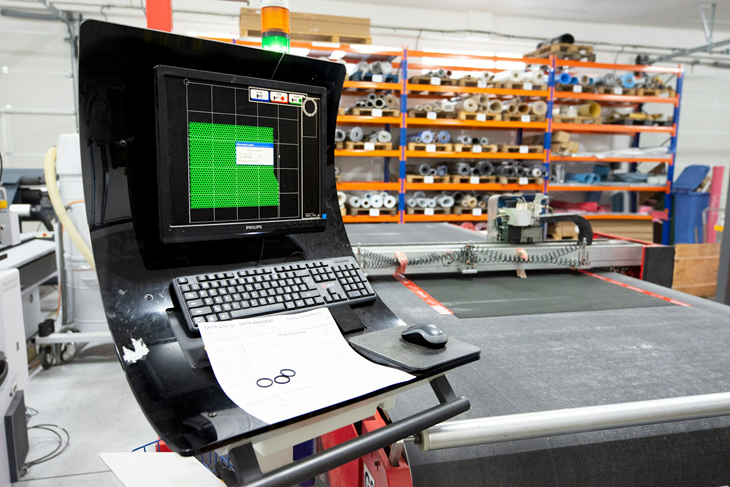
Most facilities run a mix of equipment spanning multiple decades. A stamping press from 1998 sits next to a laser cutter installed last year. The older machine lacks native connectivity and outputs no usable production metrics. Operators rely on visual inspections and manual logs to track performance.
Without machine-generated metrics, production managers might not identify efficiency losses until they show up as missed quotas or customer complaints.
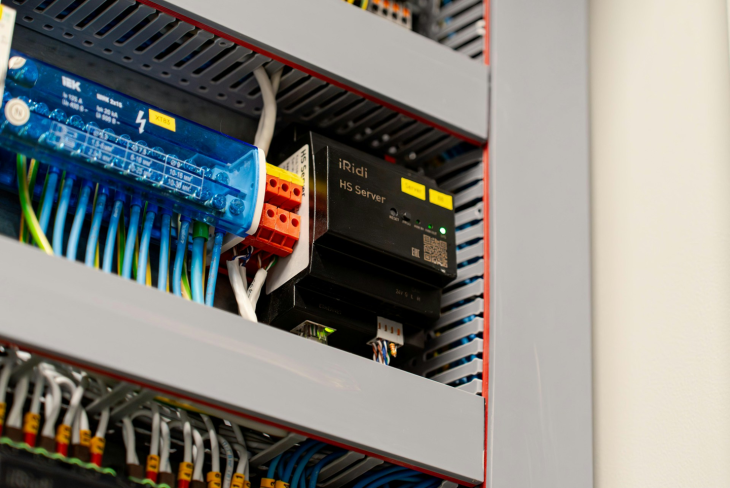
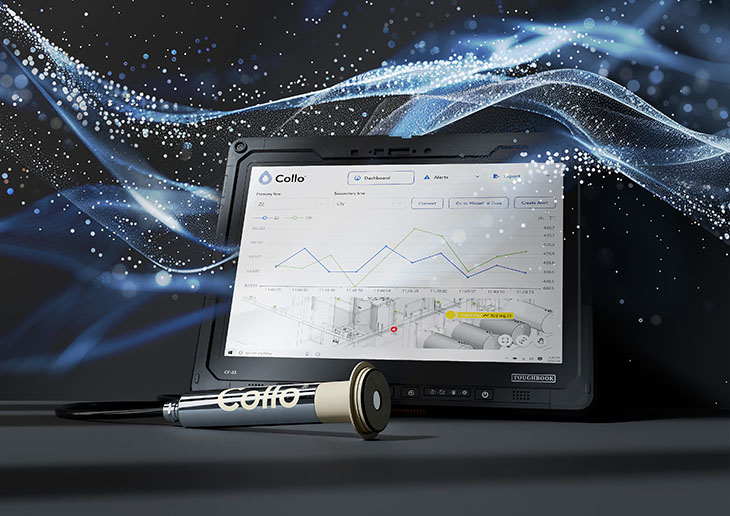
Extracting reliable information from these legacy assets is the first barrier to digitalization in manufacturing. Older proprietary systems often refuse to communicate with modern control platforms. Retrofit kits can add sensor capability, but inconsistent formats create noise that undermines predictive models.
Teams must spend significant engineering effort cleaning and normalizing inputs from multiple machine generations before analytics can begin.
CNC Machine Enhancements for Real-Time Insights
Computer numerical control (CNC) machines generate substantial production metrics, but legacy models present unique connectivity challenges. Older CNC lathes operate with closed systems that block external communication. Their outdated programming languages can't deliver the rich information modern analytics platforms need.
Retrofitting older CNC systems with edge sensors and gateway devices solves the immediate communication gap. Edge computing filters noise at the machine level and translates proprietary signals into standardized protocols.
These gateways enable predictive tool-wear analysis by tracking spindle load, vibration patterns and cutting temperatures in real time. Maintenance teams receive alerts when tool degradation crosses thresholds, allowing intervention before scrap rates climb or tolerances drift.
EDM Connectivity
Electrical discharge machining (EDM) processes face distinctive wear factors that make monitoring especially valuable. Electrode deterioration accelerates during extended runs, and dielectric fluid contamination shifts discharge characteristics over time. Both variables affect the tight tolerances EDM operations must maintain.
Aerospace and medical device manufacturers rely on EDM for components where dimensional accuracy determines safety and performance. The continuous tracking of electrode condition, fluid conductivity and discharge gap stability throughout each cycle feeds predictive models that later forecast when consumables need replacement.
Manual inspection methods cannot match the precision required for turbine blades or surgical implants, where tolerances measured in microns separate acceptable parts from costly scrap. The production of lightweight, high-strength parts in these critical industries rests on consistent process control that adapts to real-time conditions rather than following static parameters.
Additive Production and 3D Printer Integration
Additive manufacturing equipment can simultaneously generate readings from multiple sensor types. Layer cameras, thermal probes, material flow monitors and build chamber humidity sensors all produce distinct streams that must be synchronized for analysis. Integrating these inputs into a unified model tests the limits of many existing manufacturing execution systems.
Internet of Things (IoT) retrofits add connectivity to printers that originally operated in isolation. Gateway devices sync sensor feeds onto a common timeline, revealing links between temperature shifts and layer adhesion failures. Predictive maintenance tracks nozzle wear and material depletion to catch problems early.
Digitalization in manufacturing transforms these printers from prototyping tools into production assets with significant uptime.
Injection Mold System Modernization
Injection molding cycles through heat and pressure stages, where even small deviations can create quality defects. Temperature swings, pressure inconsistencies and premature releases all show up in process logs. Capturing these patterns across an entire production run lets digital twins model how tooling wears down over thousands of cycles.
Poor scheduling accounts for more than 30% of maintenance costs in manufacturing operations. This waste drives the adoption of predictive maintenance strategies that analyze past patterns to forecast failures.
Digital twin models simulate mold wear based on actual use and performance factors, and maintenance windows are aligned with predicted wear curves. Instead of replacing molds on fixed schedules that either waste tool life or risk failures, manufacturers change them based on actual conditions.
This shift alone can recover thousands of dollars per mold annually in avoided waste and unplanned downtime. Facilities that implement these strategies can cut equipment downtime by as much as 50% when executed correctly.
Legacy Industrial Robotics on the Network
Multi-vendor robotic cells make information gathering quite challenging. One facility might run arms from four different manufacturers, each with its own communication standards and outputs. Getting unified metrics from these systems will require translation at the network level.
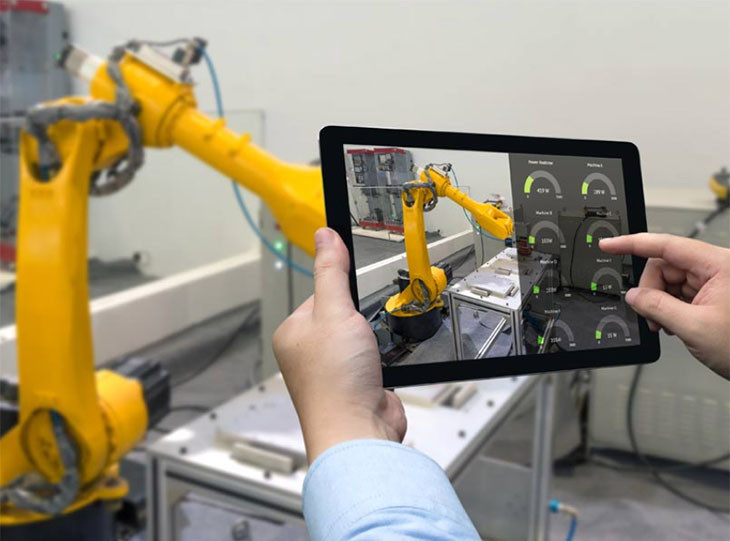
Once robot telemetry flows into a shared platform, torque analysis and alignment tracking become possible. These systems create an integrated maintenance loop that spots gradual mechanical drift before bearings fail. Algorithms predict the remaining useful life with enough notice to schedule repairs during planned downtime instead of emergency shutdowns.
Implementation Challenges and Workforce Adoption
Technical obstacles often overshadow the human factors that determine success. Floor teams with decades of hands-on experience may distrust algorithm-generated alerts, while maintenance personnel might view recommendations as interference rather than support. Budget limits and production schedules also leave little room for downtime during installations.
Adoption depends on demonstrating value without disrupting workflows that already work. Phased rollouts targeting a single line let teams validate predictions against their own observations. For instance, a packaging plant might start with vibration monitoring on a single conveyor system, then expand to filling equipment once operators see accurate failure warnings.
This method builds credibility through repeated wins rather than demanding immediate trust in unfamiliar technology.
Training staff to interpret dashboards and troubleshoot sensor networks takes time, but digitalization in manufacturing could fail without their support. Overall, success happens when floor teams view these tools as helpful extensions of what they already do well.
The Future of Smart Production Facilities
The path forward is not about ripping out legacy equipment and starting fresh. Manufacturers who succeed will take incremental steps that prove return on investment, while simultaneously building trust with the teams who run their operations.
Those floor technicians and maintenance staff hold the real key to whether predictive systems become indispensable tools or expensive dashboards that nobody opens.
Author: Lou Farrell
Lou is the senior editor of industrial manufacturing at Revolutionized Magazine, specializing in writing about the impacts of technological advancements on the modern world of production. For over five years, he has pursued his passion for writing by providing insights into automated industry processes and sustainable manufacturing.